Community Profile

0
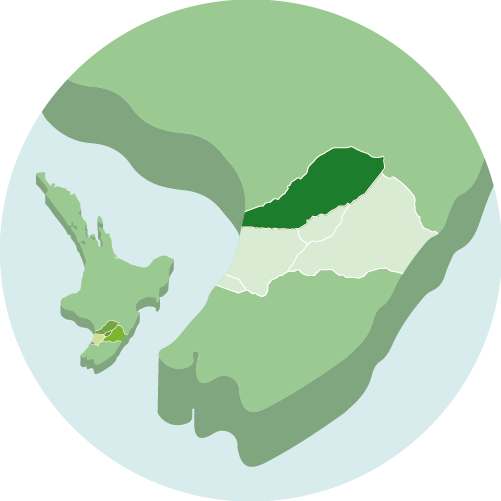
Current population 34,345. Moderate (39%) population growth (nearly 13,500 people) expected.

33% of population growth (4,500 people) expected in those aged 65 years or over. Increasing ethnic diversity. The populations of those identifying as Asian, Pacific People and Maori are expected to increase by 151%, 149% and 96% respectively.
Issues and Opportunities
- Based on expected population growth and participation patterns, focus on re-purposing, upgrading, and sharing of facilities rather than building new ones.
- A more diverse offering of spaces and places is required. Consider the needs of female, gender diverse and older participants.
- The Manawatū District is reasonably well catered for with sport and recreation facilities although there are a number of ageing facilities.
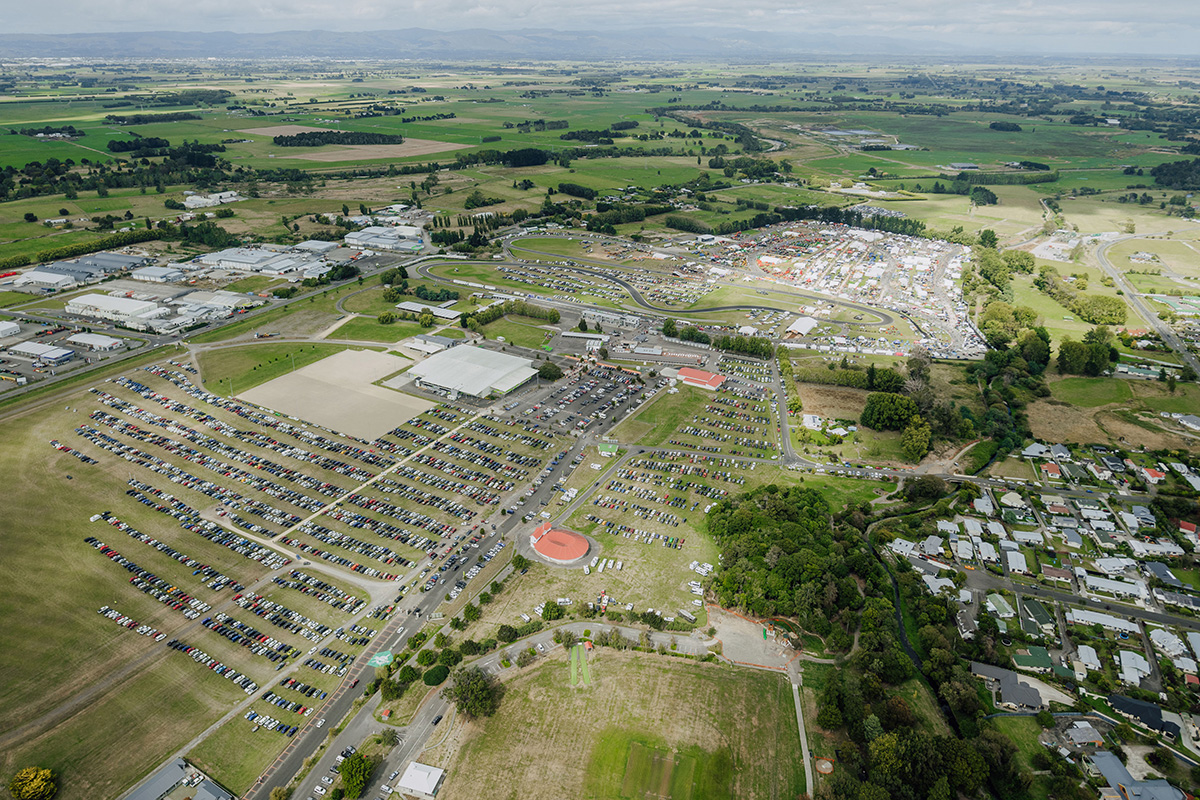
- Inaccessibility to Manfeild as a local resource is an identified issue.
- Declining membership in some key team sports needs to be considered in any requests for investment.
- Drawing on the strengths of Council and School Partnerships to address network facility gaps across the district.
Participation Snapshot

0%
Walking for sport or leisure

0%
Jogging/running

0%
Gardening

0%
Playing games

0%
Individual workout
Key Participation Facts
- Activities which are undertaken individually or on a casual basis are more popular than traditional team sports.
- Most sport and active recreation activities which require high-cost facilities16 such as field and court sports fall outside the top 20 most popular activities.
- 31% of the population of the Manawatū District is inactive.
- Tamariki (aged 5-11) are more active in 5 of their 20 expected activities than the national average for tamariki and less active in 3.
- Rangatahi (aged 12-17) are more active in 6 of their 20 expected activities compared to the national average for rangatahi, and less active in 1.