Community Profile

0
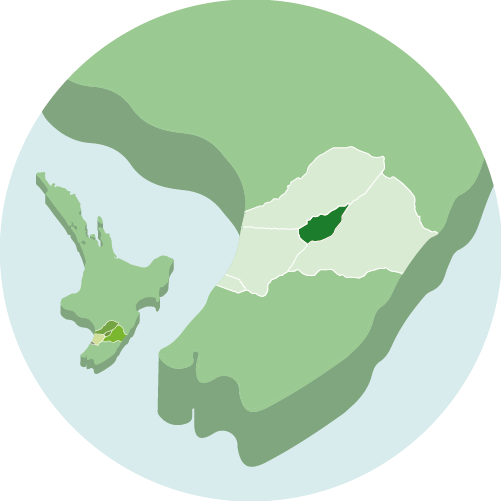
Current population 94,440. Moderate (24%) population growth (over 22,000 people) expected.

Increasing ethnic diversity. The populations of those identifying as Asian, Pasifika and Māori are expected to increase by 97%, 69% and 65% respecitively.
Issues and Opportunities
- Based on expected population growth and participation patterns, focus on re-purposing, upgrading and sharing of facilities rather than building new ones.
- A more diverse offering of spaces and places is required. Consider the needs of female, gender diverse and older participants.
- Lack of consistently available and affordable indoor space reported by many indoor court sports.
- High demand pressures on indoor aquatics space. No deep-water pool for activities such as water polo.
- Lack of consistent participation data to help inform decisions.
- Opportunities to promote partnerships and optimise existing relationships.
- Willingness of schools to make facilities available for community use.
- Attractive natural environments close to the city and existing parks.
- The facilities at Massey University complement the network of community facilities in Palmerston North.
Participation Snapshot

0%
Walking for sport or leisure

0%
Jogging/running

0%
Gardening

0%
Playing games

0%
Individual workout
Key Participation Facts
- Activities which are undertaken individually or on a casual basis are more popular than traditional team sports.
- Most sport and active recreation activities which require high-cost facilities such as field and court sports fall outside the top 20 most popular activities.
- 30% of the population of Palmerston North is inactive.
- Tamariki (aged 5-11) are more active in 9 of their 20 expected activities than the national average for tamariki and less active in 1.
- Rangatahi (aged 12-17) are more active in 5 of their 20 expected activities compared to the national average for rangatahi, and less active in 1.